
Psoriasis
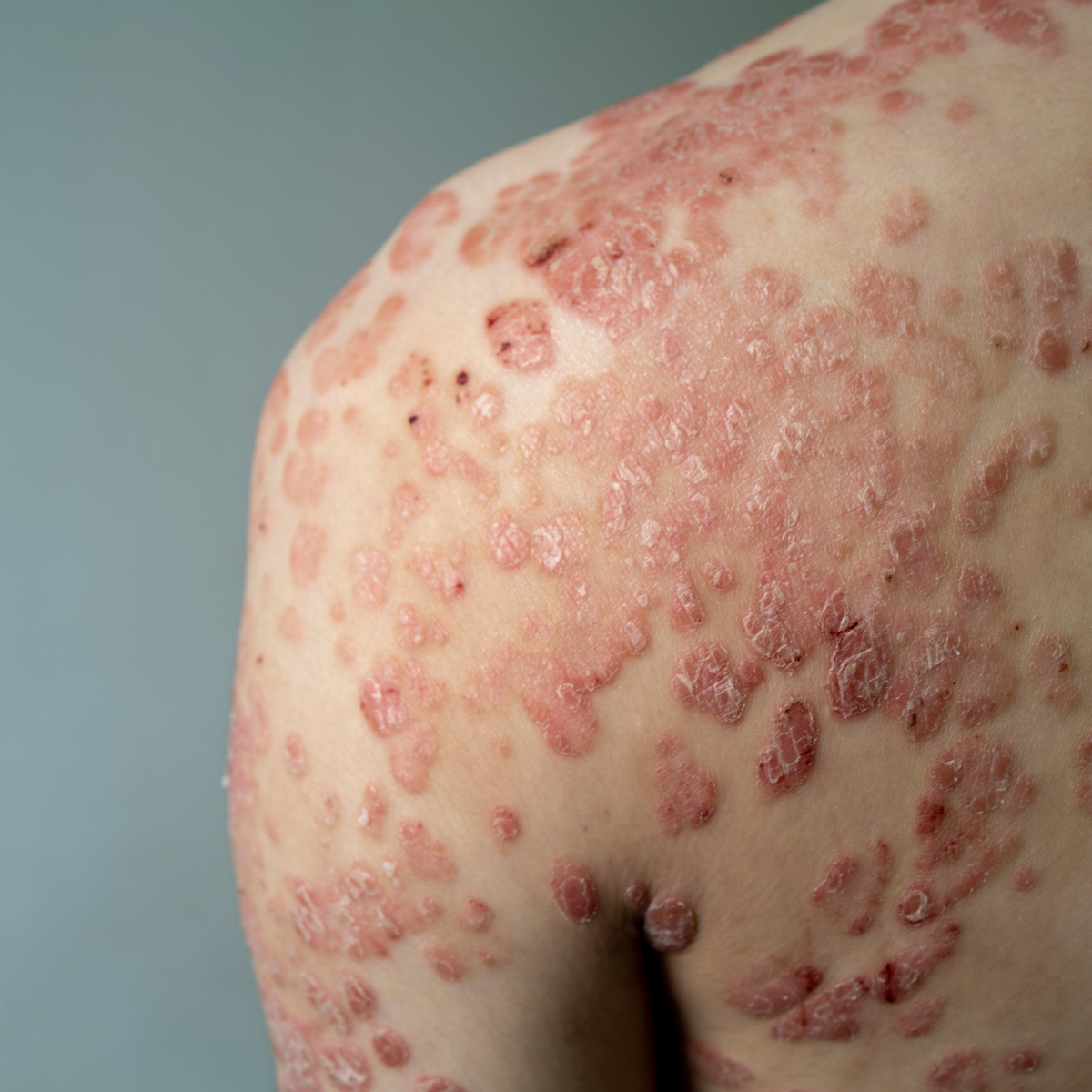
Psoriasis is a chronic, recurrent, inflammatory autoimmune condition of the skin. It has a genetically-inherited component but is not contagious. It presents as plaques of raised, reddish, scaly skin, sometimes with scales appearing silvery-white in color.
Depending on the individual patient and condition type, triggers for flaring psoriasis can include stress, infection, medication, cold & dry winter weather, lack of sunlight and skin injury.
There is an increased risk of metabolic syndrome, as well as cardiovascular disease in people with psoriasis. We also see an increased rate of diabetes, cholesterol issues, heart disease, atherosclerosis and high blood pressure in patients with this condition.
Understanding Psoriasis
Psoriasis is thought to be related to cells of the immune system, activated T-cells, which cause inflammation and triggers abnormally rapid skin cell turnover (days rather than weeks) in an autoimmune fashion.
Types of Psoriasis
Plaque Psoriasis
Plaque psoriasis is the most common type and usually appears on elbows, knees, scalp and lower back but can occur anywhere. The plaques can be painful or itchy and may crack or bleed.
Guttate Psoriasis
This form presents as small, red, scaly spots or patches like teardrops. It is often seen scattered on the chest, back and extremities and is often well-known to show up after an infection, especially strep throat. This is the second-most common type of psoriasis and often starts in childhood or young adulthood.
Inverse Psoriasis
Inverse psoriasis is usually found in the skin folds such as the armpits, groin, buttocks, genitals and under the breast and belly fold areas. The skin will appear red and inflamed-looking but also smooth and/or shiny.
Pustular Psoriasis
This is a more rare form seen most often on the palms of the hands or soles of the feet. It looks like clusters of white pustules, or blisters filled with a non-infected white pus, surrounded by red skin. It is not an infection and is not contagious.
There are several different types of this condition. Working with our board-certified dermatologists to learn more about your specific type will help determine the best treatment plan for you.
Erythrodermic Psoriasis
Erythrodermic psoriasis is a severe form that leads to widespread redness and discomfort over the body. It can cause intense itching and pain, leading to excessive skin flaking and shedding. This is also the most rare form of psoriasis, seen in approximately 3% of people who have psoriasis in their lifetime.
Nail Psoriasis
Changes in the nails, including nail separation, change in the color of the nail bed and pits in the nail, can be a form of psoriasis. This may also be an early sign of Psoriatic Arthritis.
Psoriatic Arthritis
Approximately 30% of people with psoriasis will eventually develop psoriatic arthritis. Patients may experience pain, stiffness and joint damage with this condition.
Treatment
While this condition is treatable, not curable we are able to recommend varying treatment options depending on your condition type, including:
Healthy choices for proper weight and diet
Topical medications
Light therapy (Phototherapy)
Oral medications
Biologic medications
When it comes to managing your skin’s health, it is important to choose an experienced and knowledgeable specialist.