
Alopecia
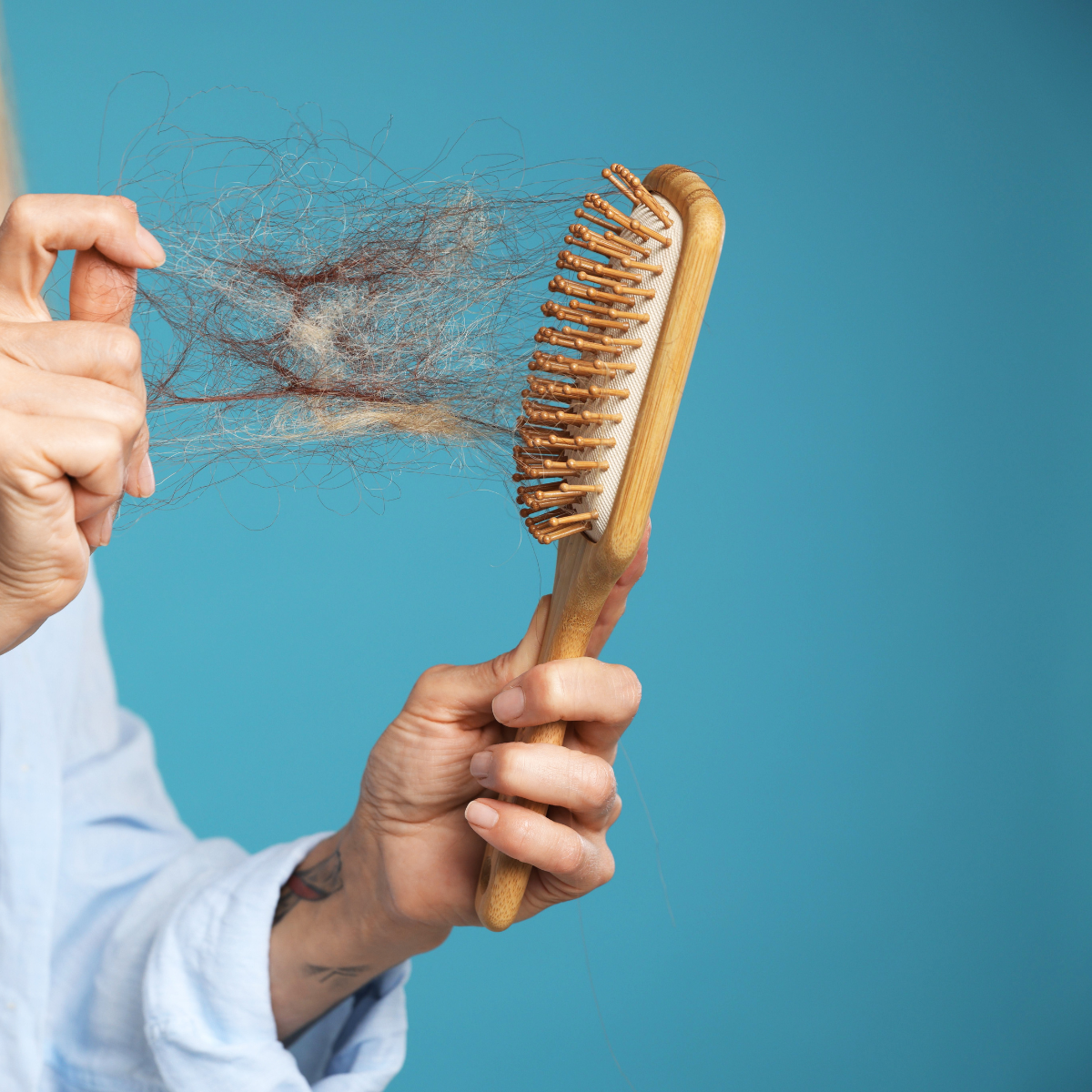
Alopecia or hair loss, while common, can be an emotionally devastating problem to have. There are many causes and types of hair loss and it is important to seek medical care when you begin to notice any early signs of hair loss that are concerning.
Understanding Alopecia
There are various reasons why hair loss can occur including, and before a successful treatment approach can be confirmed, we must understand the nature of the hair loss. Some common hair loss conditions include:
Male and female pattern baldness: In this case, genetics and hormone influences can contribute to hair loss. Men tend to show a pattern hair loss very early in adulthood or later. Women may start to show this pattern early in life but it also often occurs after menopause.
Telogen Effluvium (TE): TE is a reactive type of shedding caused by a trigger. Triggers tend to be events or occurrences that cause insult or stress to the body and may include childbirth, major illness, high fever, medications, thyroid issues, or vitamin deficiency.
Alopecia Areata (AA): AA is an immune-moderated attack of the hair follicle that causes shedding in patches (typical) or diffusely (rare).
Traction-Hot Comb Alopecia (THCA): This condition is particularly seen in the African American community where by processes involving thermal heat damages of any sort, over-processing and any tug on the follicle such as extensions, braids and tightly pulled back hair can lead to permanent hair loss. We often see this in the thinning of the crown and frontal scalp area.
Scarring Alopecia: This type of hair loss results in permanent hair loss and our goal is to identify the reason behind it and try to slow further hair loss. Discoid Lupus of the scalp, Lichen Planopilaris and Frontal Fibrosing Alopecia (FFA) are examples of this category.
Infection: A fungus of the scalp may lead to hair loss, but is usually associated with certain signs of infection.
Treatment
Our providers will conduct a thorough health history and physical exam to help determine the underlying cause of your concerns and guide treatment recommendations. In some cases, a biopsy, lab work, or hormone testing may be recommended to further evaluate your condition and create a personalized treatment plan tailored to your needs.
Depending on your diagnosis and goals, treatment options may include topical therapies, prescription medications, injections, vitamin and nutritional support, systemic treatments, lifestyle recommendations, and advanced in-office procedures. Our team takes a comprehensive, individualized approach to help restore and maintain healthy skin and hair from the inside out.
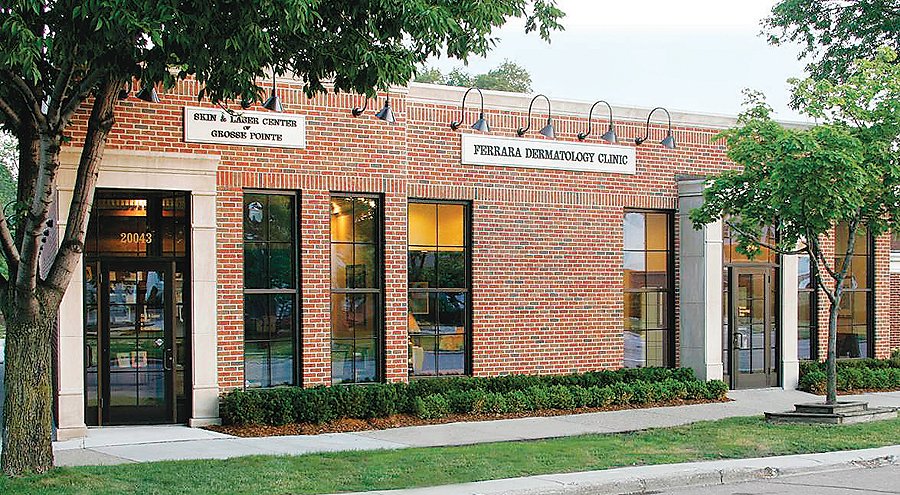
When it comes to managing your skin’s health, it is important to choose an experienced and knowledgeable specialist.